Rij toevoegen
Element toevoegen
kropper
update
Kern Gezond
update
Element toevoegen
  • Thuis
  • ...
    • Voeding & Gezonde recepten
    • Beweging & Sport
    • Mentale gezondheid en welzijn
    • Medisch nieuws & gezondheidstrends
    • Schoonheid & verzorging
    • Gezond ouder worden
    • Slim en vitaal werken
    • Duurzaam & bewust leven
June 29.2025
3 Minutes Read

Confronting Male Hair Loss: What You Can Do Before It's Too Late

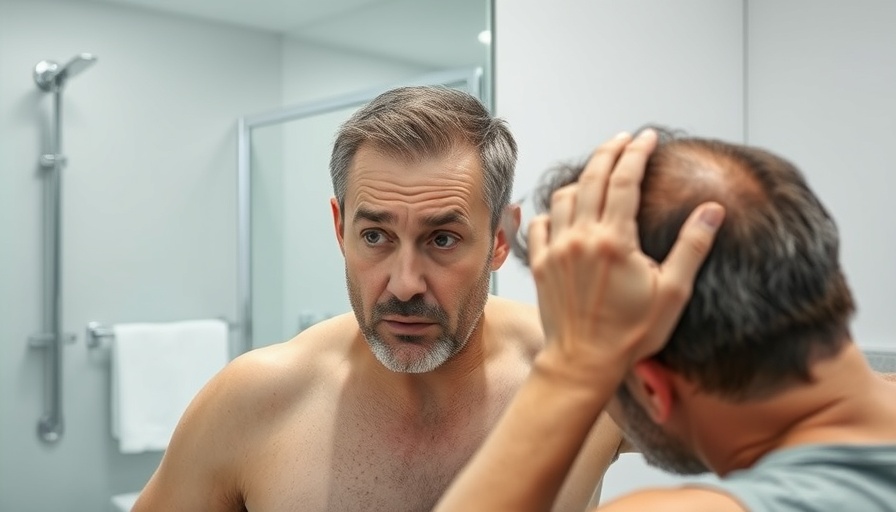
Middle-aged man checking hair in mirror for male hair loss treatment.

Understanding Male Hair Loss: What You Should Know

For many men, hair loss is an often dreaded specter that looms, especially as they age. However, the conversation around male hair loss isn't just about hair—it encompasses broader health implications, emotional well-being, and proactive steps that can be taken. Dermatologists and hair surgeons are stepping forward to provide insights, offering not just hope, but evidence-based solutions.

Why Hair Loss Happens: The Science Behind It

Male Pattern Baldness, or androgenetic alopecia, is primarily caused by hormonal changes and genetics. As men age, they may experience increased levels of dihydrotestosterone (DHT), a derivative of testosterone that contributes to hair follicle shrinkage. Understanding this biological process is essential not just for grasping the 'why' of hair loss but for considering the possible interventions available.

Early Intervention: Why Waiting Can Be Detrimental

Experts emphasize the importance of not waiting until hair loss becomes pronounced. Early intervention is crucial. In fact, the sooner treatment begins, the better the chances of preserving existing hair and potentially regrowing some follicles.

Medications like minoxidil and finasteride, while not miracle cures, can effectively slow the progression of hair loss when used consistently. They work best when started early, potentially preventing men from reaching a stage where they feel they have no other options.

Alternative Treatments: Beyond Medication

While medication can play a significant role, exploring alternative treatments can provide additional benefits. Platelet-rich plasma (PRP) therapy, for instance, has gained popularity for its promise to stimulate hair growth. This involves drawing a small amount of the patient's own blood, processing it to enrich for platelets, and re-injecting it into areas of hair thinning. The body’s natural healing process can then potentially stimulate hair follicles.

Moreover, lifestyle changes can also contribute positively to hair health. A well-balanced diet rich in vitamins and lean proteins can nourish hair follicles from within. Additionally, minimizing stress, maintaining adequate hydration, and getting regular exercise not only promote overall health but can also have positive effects on hair health.

Emotional Impacts of Hair Loss: A Human Perspective

Beyond the physical implications, hair loss can have profound emotional consequences. For many, it can significantly affect self-esteem and body image. Understanding these psychological impacts is key not only for the individuals but also for their families and friends. Acknowledging these feelings—such as embarrassment or anxiety—can help in seeking support from friends, family, or professionals. Support groups or therapy sessions specialized for those experiencing hair loss can be beneficial.

The Path Forward: Empowering Choices & Decisions

Ultimately, the journey through hair loss does not have to be a solitary one. Open discussions about these experiences can foster connections, allowing men to share their stories, seek advice, and learn from one another. Men should feel empowered to make informed decisions about their hair health, understanding all available avenues—whether it’s through traditional medications, surgical options, or holistic approaches.

So, what’s stopping you? If you or someone you know is navigating the complexities of hair loss, don’t wait until it’s too late. Consult with a healthcare professional or a specialist who can guide you through the options and empower you to take charge of your hair health!

Medisch nieuws & gezondheidstrends

8 Views

0 Comments

Write A Comment

*
*
Related Posts All Posts
12.06.2025

Acute Liver Failure: Recognizing Signs Beyond Jaundice for Seniors

Update Recognizing the Signs of Acute Liver FailureWith the aging population, understanding health conditions like acute liver failure becomes crucial. Acute liver failure occurs rapidly and can present various symptoms beyond the common yellowing of the skin, known as jaundice. Older adults should pay close attention to these signs to seek prompt medical attention, as timely intervention can be life-saving.Common Symptoms to Watch Out ForJaundice is indeed a significant sign, but individuals should also be aware of other critical indicators. Symptoms to look out for include extreme fatigue, nausea, vomiting, confusion, disorientation, and swelling in the abdomen. These symptoms can escalate quickly, often indicating a serious underlying issue that requires immediate care.The Importance of Prompt DiagnosisLiver health is often overlooked, yet the liver plays an essential role in overall well-being. According to the Mayo Clinic, acute liver failure can lead to complications such as organ failure and severe infections (Mayo Clinic). The identification of symptoms, including abnormal liver function tests and the presence of hepatic encephalopathy, is key in diagnosing this condition.Factors Contributing to Acute Liver FailureSeveral causes can lead to acute liver failure, including viral infections, the excessive use of medications like acetaminophen, and underlying metabolic conditions (Reference Article 2). Understanding these risk factors, especially in older adults who might be taking multiple medications, is crucial for prevention and early detection.Action Steps to Protect Liver HealthFor older adults, maintaining liver health can involve regular check-ups that include liver function tests and being cautious with medication use. It’s vital to consult healthcare providers about any new symptoms and to avoid self-medication. Healthy lifestyle choices, such as a balanced diet and staying hydrated, can support liver function and overall health.Creating Awareness and UnderstandingDiscussing liver health openly in communities can help dispel myths and educate individuals about the importance of early detection. By sharing personal stories and insights from healthcare professionals, we can create a network of informed individuals much better equipped to recognize and address symptoms of liver problems promptly.

12.05.2025

Why Pushing Through Migraines May Be Harmful to Health

Update Understanding Migraine: Why Pushing Through Pain Can Be Detrimental Migraine sufferers often face a tough choice during attacks: to push through the pain or to rest and recover. Recent discussions sparked by the character Maarten from the television show 'Mijn Restaurant,' who insisted on working through his migraine, shed light on this dilemma. However, experts warn that ignoring the body's signals can lead to worse outcomes for those living with chronic migraines. Examining the Nature of Migraine Migraine is more than just a headache; it's a complex neurological condition that affects one in seven adults globally. Symptoms can include significant pain, nausea, and sensitivity to light or sound. Contrary to Maarten's approach, pushing through these debilitating symptoms can exacerbate their severity and frequency. According to research by the American Migraine Foundation, individuals who do not take sufficient rest are more likely to experience a worsening of their migraine episodes. The Role of Psychological Strategies in Migraine Management Recent studies, including those presented in the PMC resources, emphasize the importance of psychological approaches in managing migraines. Techniques such as cognitive-behavioral therapy (CBT) have proven effective in reducing migraine frequency and improving overall quality of life. These approaches guide individuals in managing stress, which is a common trigger for migraines. For older adults, understanding and addressing the psychological aspects of their condition can be a game-changer in ensuring not only symptom relief but also holistic well-being. Importance of Listening to Your Body Healthcare professionals advocate for the necessity of listening to one’s body. Ignoring pain or trying to ‘power through’ can often lead to increased pain intensity and duration, resulting in more substantial disruptions in daily life. This notion aligns with the findings from the behavioral treatment research which highlights that psychological support is pivotal. When individuals learn to recognize and respond to their triggers, they can better navigate their migraines before they escalate. The Risk Factors of Ignoring Symptoms The impact of stress and environmental triggers can compound the experiences of those with migraines. Emotional distress and fear can lead to more severe migraines. Studies have shown a strong correlation between anxiety disorders and migraines, especially among older adults. By downplaying their symptoms, patients risk further mental health declines, creating a cycle that exacerbates both migraine and mental well-being. Coping Mechanisms and Self-Care Strategies Learning effective strategies to cope with migraines is essential. Relaxation techniques such as deep breathing, guided imagery, and progressive muscle relaxation can help in managing migraine pain. Moreover, setting aside time for mindfulness practices can significantly reduce stress and improve one’s resilience against migraine triggers. As noted in the articles referenced, engaging in self-care and seeking psychological support are vital for managing migraines effectively. Community Support and Connection For many older adults, feeling isolated in their struggle with migraines can make the condition feel even more daunting. Connecting with peers experiencing the same issues can provide emotional support and validate their experiences. Considering support groups or community discussions can foster a sense of belonging and shared understanding, which is crucial for emotional healing and coping with migraine challenges. Final Thoughts: Choose Health Over Hustle Ultimately, it is vital for those suffering from migraines to prioritize their health over the notion of normalcy associated with pushing through pain. The conversation sparked by media representations like Maarten’s in 'Mijn Restaurant' serves as a critical reminder that authentic wellness involves understanding, accepting, and responding to one’s body. As we navigate the complexities of migraine, let’s commit to a balanced approach that emphasizes health, community, and effective management techniques.

12.04.2025

Abbott's Glucose Monitor Recall: What Seniors Must Know to Stay Safe

Update Abbott's Recall of Glucose Monitors: What You Need to Know In a significant public health announcement, Abbott Diabetes Care has recalled millions of their glucose monitors, specifically the FreeStyle Libre 3 and FreeStyle Libre 3 Plus. This recall comes after reports have linked faulty sensors to seven deaths and over 700 serious injuries worldwide. It is crucial for users, especially seniors who may rely heavily on such devices, to understand the implications of this recall and the necessary steps to ensure their safety. The Impact of Faulty Glucose Readings The sensors in question may be providing incorrect low glucose readings, which can lead to dangerously poor treatment decisions. According to the FDA, incorrect readings could cause individuals to either overindulge in carbohydrates or misunderstand their need for insulin, leading to severe health risks. This situation is particularly alarming considering that diabetes affects approximately 38 million Americans, making it a prevalent health concern among older adults. What Should Users Do? Abbott has urged users to check if their devices are affected by visiting FreeStyleCheck.com. Those with impacted sensors should immediately stop using them and dispose of them safely. Abbott also offers free replacements for affected models, ensuring that users can continue monitoring their glucose levels accurately. It's essential for users and caregivers of older adults to be proactive in verifying the safety of these critical health devices. Raising Awareness: The Risks of Faulty Medical Devices This recall not only highlights the need for vigilance when it comes to medical devices, but it also serves as a reminder of a broader issue—miscommunication and inadequate user information about product safety. The FDA, which considers this a potential high-risk issue, has committed to providing ongoing updates as the investigation progresses. Affected users should remain informed and engaged with future communications from both Abbott and health authorities. Community Support for Users The emotional toll of being affected by faulty medical devices cannot be understated. Many users, particularly seniors, may feel anxious or scared about their health outcomes. Community forums and health organizations can play a vital role in providing support, offering a space for individuals to share experiences and advice. Additionally, listening to your healthcare provider's guidance during incidents like this can help reassure users about their treatment plans and any adjustments that may be necessary. Final Thoughts As news of this recall continues to spread, it’s imperative for users, especially seniors, to take swift action to safeguard their health. By verifying their devices, staying informed, and supporting one another, individuals can navigate this challenging situation more effectively. And remember, healthy living is attainable through awareness, action, and community. For further updates and insights into maintaining a healthy lifestyle, consider engaging with health news resources and community health forums.

Terms of Service

Privacy Policy

Core Modal Title

Sorry, no results found

You Might Find These Articles Interesting

T
Please Check Your Email
We Will Be Following Up Shortly
*
*
*